-
By Manufacturer...
- AquaTel
- Banjo Corp.
- Big Blue
- Bonomi Valves
- Bushman
- Custom Roto Molding
- DAB
- Goulds Pumps
- Graf
- Grundfos
- JED Engineering
- Leader Pumps
- Miscellaneous
- Norwesco
- Poly-Mart
- Polyslab
- Progressive Pump and Treatment
- RainFlo
- RainHarvesting, Pty.
- RainReserve
- Roth Global Plastics
- RTS Companies
- Snyder
- Stenner
- Sterilight
- Tekelek
- TUF-TITE
- UV Pure
- UVMAX
- Viqua
- Accessories...
- Commercial Products
- Bundles
- Complete Systems...
- Filtration...
- Modular & Stormwater...
- Pumps & Controllers...
- Water Tanks - Fiberglass
- Water Tanks - Bolted Steel...
- Water Tanks - Plastic...
- Closeouts

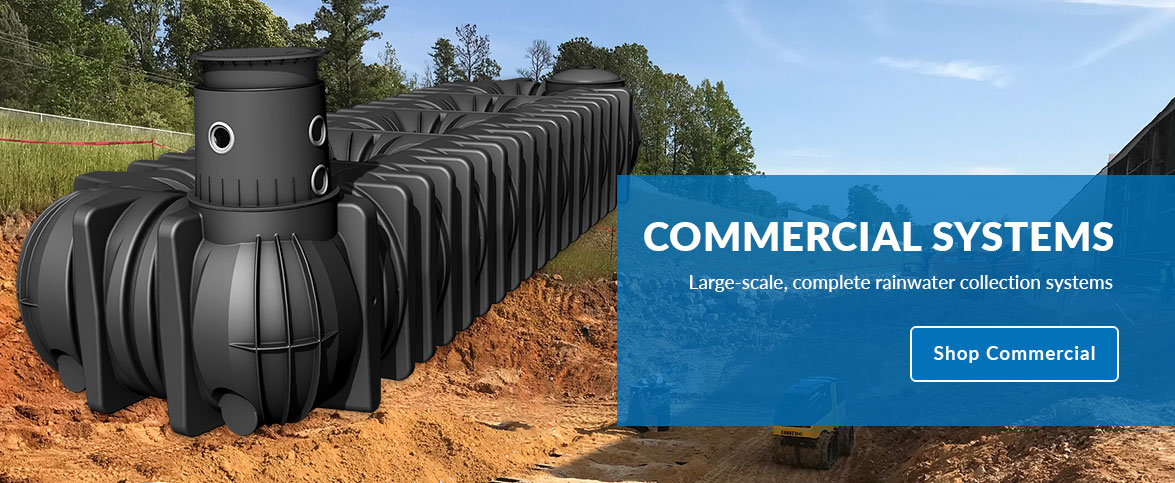
Rainwater Collection Systems - Many Bonuses to Using
The primary benefit to using a rain water collection system is that the water is free and relatively clean. Unfortunately, relatively clean is not always clean enough for every use. Initial rainfall of a storm is typically very clean, but contaminants quickly accumulate. Pollen, dust, bird droppings, mold and other problematic substances are washed off rooftops and can be directly deposited into rainwater collection systems. These contaminates either settle at the bottom of the tank in the anaerobic zone or they float to the surface. In either case, they make for unpleasant odor and color and they degrade the overall water quality. For this reason, we recommend using a first flush filter on your rainwater collection system. It will help ensure that you collect only the purest water during a storm. Trust in the products purchased from RainHarvest and start collecting rain water today!
Rainwater Collection System Modifications
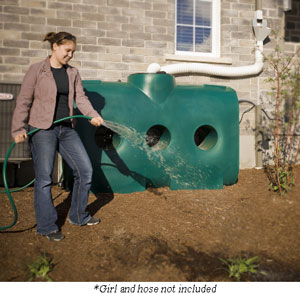
Some people are perfectly content collecting rain water in any way, shape or form. For more particular users Rain Harvest Systems has numerous rainwater collection system modifications to ensure the cleanliness of the water you collect. By adding a first flush filter or diverter, you will be able to guarantee that the water you are using is clean and safe for many of your needs.
Rainwater filters and first flush diverters are simple devices, but they can make all the difference. The rainwater filter is installed closest to the gutter conveyance system and gives added assurance that particles do not make their way into your water supply. This filtration process eliminates fine sediments and helps keep your diverter system clean. A first flush diverter is a slightly more complex arrangement. It usually contains a temporary storage core and a simple valve unit consisting of a ball and seat. The initial rainfall fills the core and floats the ball until it rises up to the seat, blocking the opening to the core. This means that the potentially contaminated rain stays separated from the rest of the clean water. When you choose rainwater collection systems with first flush devices installed, you will avoid catching rain that can be potentially harmful to use.